 Monza Hub
Tweaking Monza's Tactics: Finding Balance for Success
As the Biancorossi navigate through the season, recent matches have showcased both their potential and the gaps that exist within their tactical framework. While Monza has displayed moments of brilliance, including flashes of creativity in attack, their defensive solidity has been inconsistent, prompting a closer examination of their tactical setup and potential tweaks that could lead to improved results.
Current Tactical Setup
Under the guidance of Raffaele Palladino, Monza has primarily utilized a 4-3-3 formation, which has allowed for width in attack and a solid midfield presence. However, the execution of this system has varied from match to match, leading to disjointed performances, particularly when transitioning from defense to attack. The current midfield trio often struggles to maintain possession against high-pressing teams, which exposes the backline to counterattacks.
Suggested Tweaks
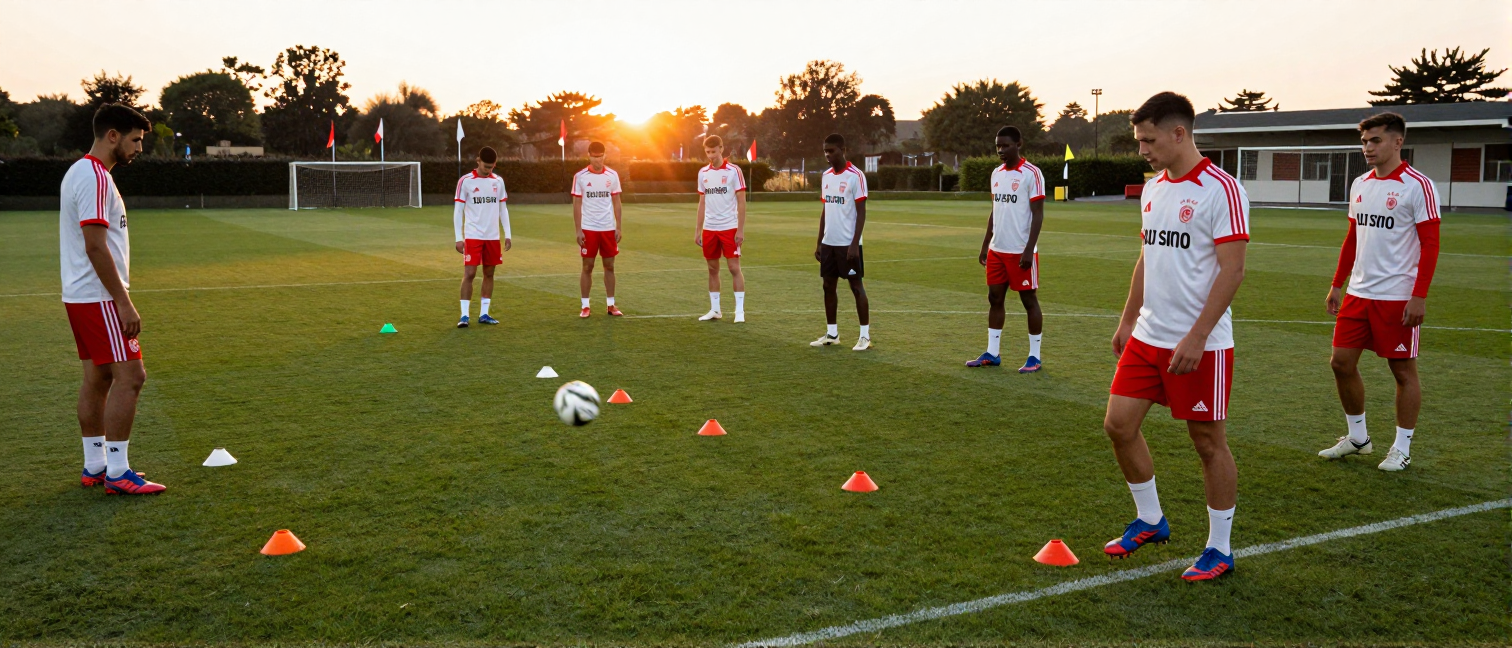
1. Adjusting the Formation: One immediate adjustment that could stabilize Monza's play is shifting to a 4-2-3-1 formation. This tweak would allow for an additional holding midfielder to provide extra coverage in front of the defense, reducing the vulnerability to counterattacks. With two players sitting deeper, the team can maintain better control in midfield, which would help in retaining possession and dictating the pace of the game.
2. Optimizing Player Roles: Within this proposed formation, players like Paulo Azzi could be utilized more effectively as a dual pivot alongside a more defensive-minded midfielder such as Dany Mota. This pairing would offer a balance of defensive solidity and the ability to initiate attacks, allowing Gianluca Caprari to operate more freely as an attacking midfielder, exploiting space in the final third.
3. Winger Responsibilities: The wingers, such as Patrick Ciurria and Andrea Petagna, need to be more involved in the build-up play. Encouraging them to drop deeper to receive the ball can create overloads on the flanks, stretching the opposition and opening up central channels for attacking runs. This would not only enhance the width in attack but also provide more options for quick transitions.
4. Defensive Cohesion: At the back, improving communication and coordination among defenders is crucial. A more organized defensive line can prevent the chaos that has sometimes emerged when opponents press aggressively. Implementing a strict defensive structure that emphasizes zonal marking in set pieces will also contribute to greater stability.
Conclusion
By refining their tactical approach and implementing these adjustments, Monza can aim for greater consistency and success in the league. A solidified midfield, optimized player roles, and enhanced defensive organization will not only make the team more resilient but could also unleash their attacking potential. As the season progresses, the goal for the Biancorossi remains clear: to establish a tactical identity that can lead them to compete effectively against both rivals and league opponents.